First, here is a reading list to get you started. Buy some of these books online or check them out from your local library.
- The Animator's Survival Kit. We recommend that any serious student of animation should buy a copy of The Animator's Survival Kit, by Richard Williams. It is now the standard textbook for animators and easily the most comprehensive book available for learning animation.
- The Illusion of Life. The Illusion of Life was written by Disney animation legends Frank Thomas and Ollie Johnstone, and represents the accumulation of knowledge of the first "Golden Age" of Disney animation. An invaluable resource.
- Cartoon Animation. Cartoon Animation by Preston Blair was the first available book on animation, and has been in print since the early 1950s, regularly updated since then. Still full of very useful material.
- Timing for Animation by Harold Whittaker and John Halas is another very useful book on animation. It was first written some years ago but was recently updated and edited by former Animation Guild President Tom Sito.
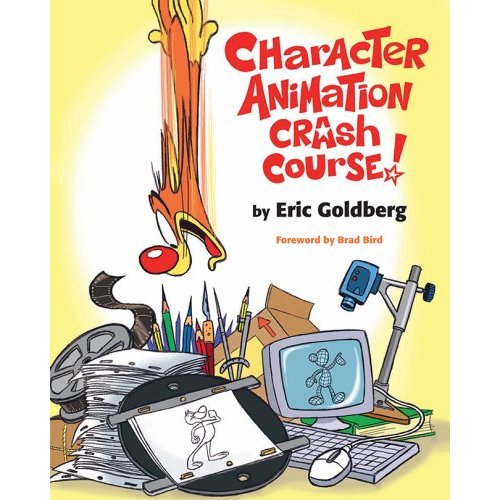
- Character Animation Crash Course. The Character Animation Crash Course by Eric Goldberg is an excellent resource by one of the most talented 2D animators in the world - the man behind the genie in Disney's Aladdin.
- The Complete Digital Animation Course. The Complete Digital animation Course by Andy Wyatt is a very useful overall guide to all the processes involved in digital animation and film-making. Especially good for the technical bits that the older books don't cover.
Once you have done that, take a look at the week 1 videos on my website Animation Apprentice. The week 1 videos are all free and this gives you a general introduction to the medium, helping you to get familiar with the language of animation.
Other useful things you can do include going to life drawing classes, and filling a sketch book with sketches, doodles and ideas. Being able to express an idea in a simple sketch is still a useful skill, even in the digital age.
If you do some or all the things on this list - you will have a great head start with us in September.
----Alex

